
Frank Nicholas Meyer: An Emigrant's Lifelong Search for Plant Immigrants
DOI:
https://doi.org/10.71318/apom.2019.73.2.115Keywords:
fruit, history, nuts, plant exploration, plant introductionsAbstract
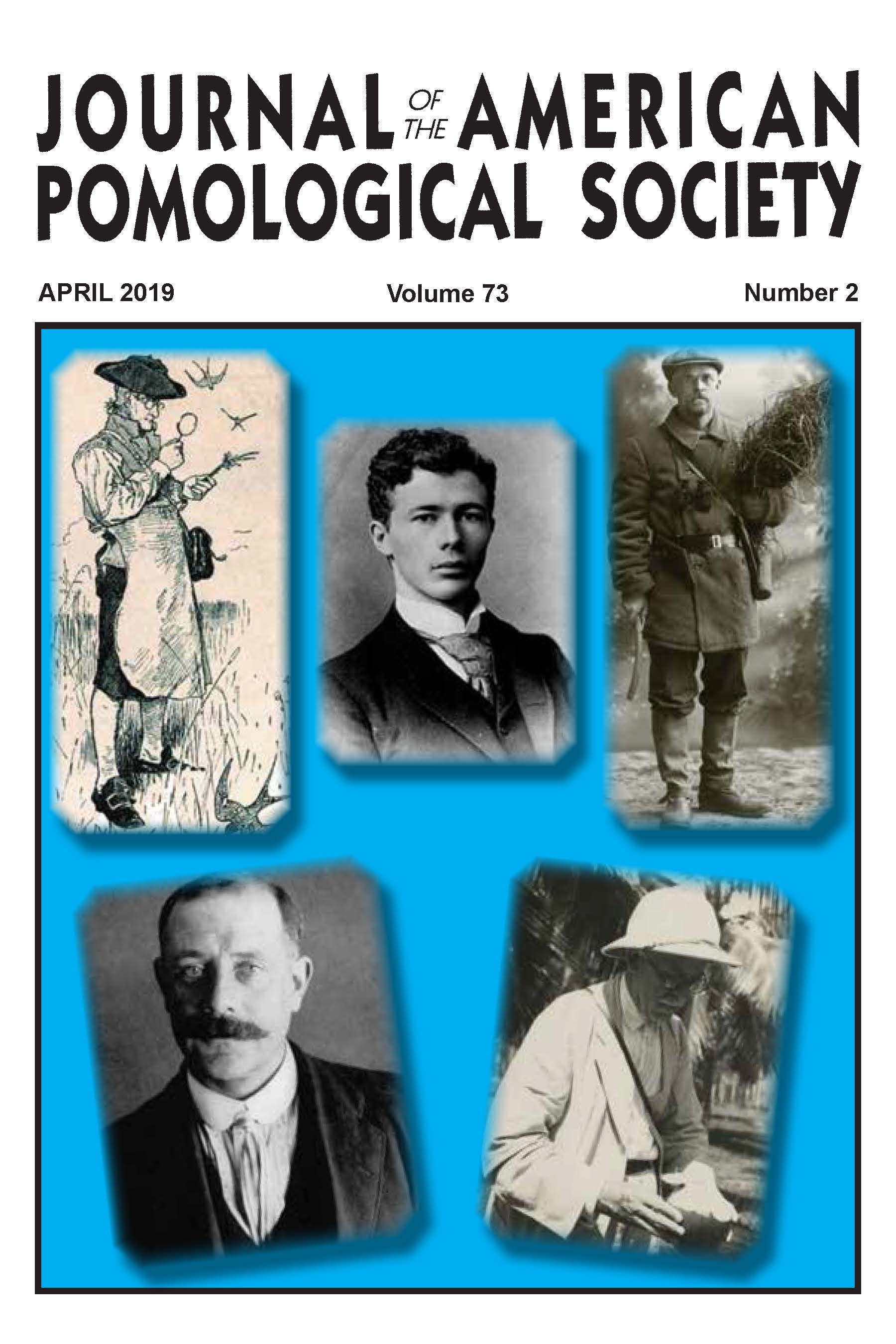
Rarely sedentary, Frank N. Meyer (1875-1918) labored and studied plants diligently in Europe to earn passage to the United States. After holding several jobs briefly in the U.S. to fund his botanical explorations, Meyer was hired by the Foreign Plant Introduction Section of the U.S. Department of Agriculture (USDA). During his four expeditions to Asia (1905 to 1918), Meyer collected more than 2,500 plant specimens and exchanged germplasm with botanical gardens worldwide. Traveling thousands of miles by foot, Meyer endured harsh weather, scarce food, vermin-infested lodgings, sickness, bandits, revolutionaries, and multiple bureaucracies, but he was content when collecting economically useful plants. During these expeditions, Meyer collected specimens adapted to extreme temperatures, drought, and alkaline soils for testing in the U.S., introducing about 115 fruit- and nut-bearing species. Cultural practices, rootstocks, post-harvest methods for fruit crops, and translated Chinese plant names were recorded in his field notes, herbarium specimens, 1,740 photographs, and letters. Meyer also perfected packing methods for live plant specimens to ensure their survival during shipment. Many of the genetically-useful traits in pomological crops today originated from germplasm introduced to the U.S. by this dauntless plant collector.
Downloads
Published
License

This work is licensed under a Creative Commons Attribution-NonCommercial 4.0 International License.
The American Pomological Society and Editors cannot be held responsible for the views and opinions expressed by individual authors of articles published herein. This also applies to any supplemental materials residing on this website that are linked to these articles. The publication of advertisements does not constitute any endorsement of products by the American Pomological Society or Editors.