
Genetic Analysis of Peaches Grown by Native Americans in the North American Southwest
DOI:
https://doi.org/10.71318/apom.2020.74.2.76Keywords:
Traditional food crops, population structure, germplasm diversity, landrace, inbreedingAbstract
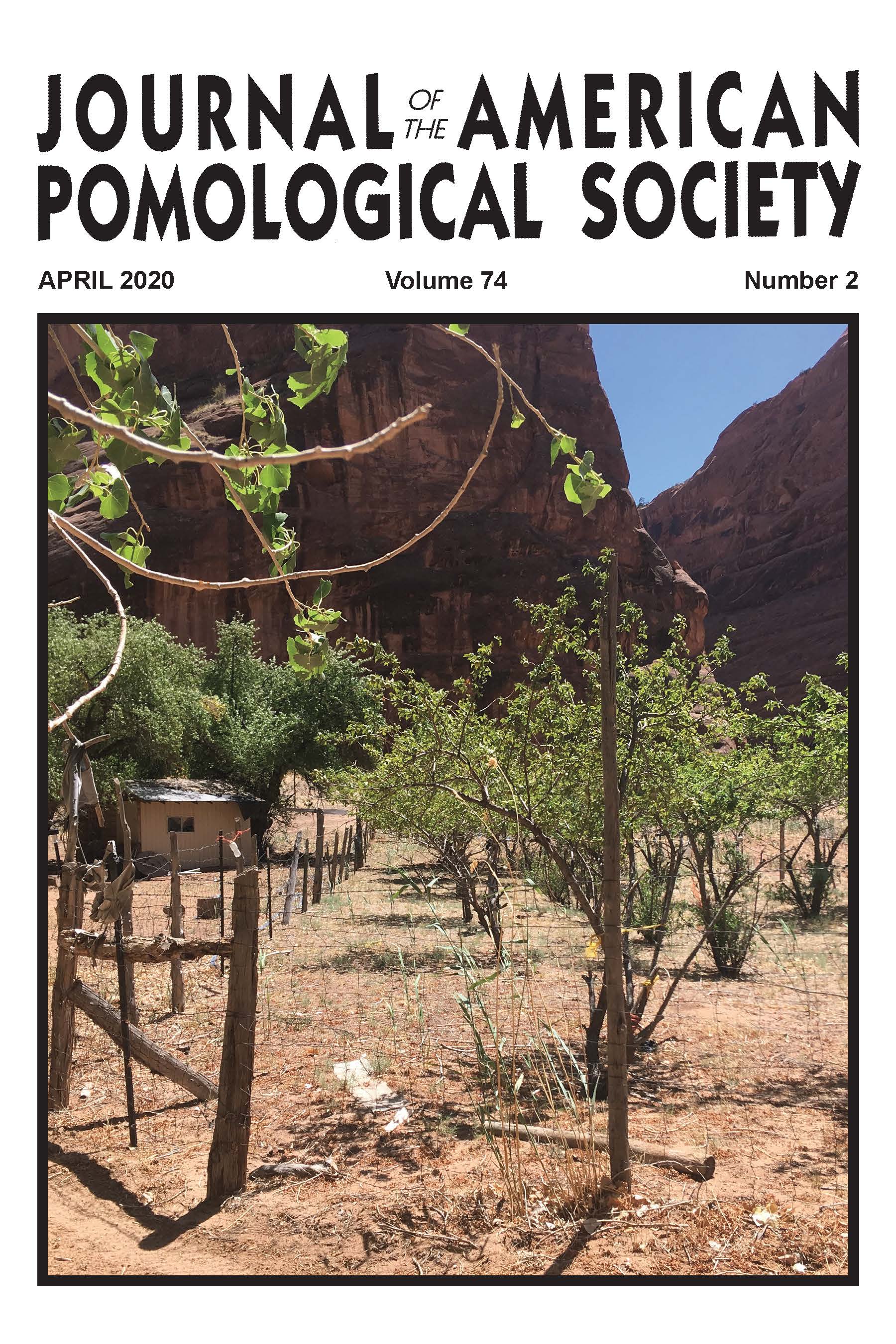
Peach ( Prunus persica) originated in China and was introduced to Central America in the first half of the 16 thcentury by Spaniards. In North America peaches were cultivated by the southwest Native American Tribes including the Navajo, Hopi, and Pueblo as an important food source since at least the early 1600s. Few isolated peach orchards remain in remote canyons and mesa shelves, and are still tended using traditional methods. The purpose of this study was to locate and characterize these plantings in order to understand the genetics of these isolated peach populations. Three distinct regions with peaches were identified, representing lands from Navajo and Hopi Tribes. Seeds were collected from these isolated populations for genetic analysis, and soil type, microclimate and water availability were documented for these sites. Genetic analysis indicates populations from each of the three regions are genetically distinct from modern cultivars, as well as among the three locations. However, several individuals sampled showed outcrossing with modern cultivars. These isolated populations need further characterization for useful traits and should be protected for their unique genetic and cultural significance.
Downloads
Published
License

This work is licensed under a Creative Commons Attribution-NonCommercial 4.0 International License.
The American Pomological Society and Editors cannot be held responsible for the views and opinions expressed by individual authors of articles published herein. This also applies to any supplemental materials residing on this website that are linked to these articles. The publication of advertisements does not constitute any endorsement of products by the American Pomological Society or Editors.